
This article is one of a series covering back pain — causes, symptoms, and the treatments we use at Back and Body Medical in Midtown Manhattan. For the complete overview, see the full guide:
Why Do Patients Feel Better with Conservative Care, but then the Pain Returns?
When people ask why do patients feel better with conservative care, but then the pain returns? the most common reason is that the initial care reduced symptoms (like muscle tightness or inflammation) without fully identifying and correcting the underlying driver. Pain can also rebound when the home plan isn’t followed consistently, or when the condition needs a different level of testing, a refined diagnosis, or a broader treatment strategy. Our goal is to connect short-term relief to long-term change by pairing the right diagnosis with the right plan—and adjusting quickly if progress stalls.
This article is one of a series covering how treatment works at Back and Body Medical here in Midtown Manhattan. For the complete overview see the full guide: How Treatment Works at Back and Body Medical.
What “Conservative Care” Really Means (and What It Can—and Can’t—Do)
Conservative care generally refers to non-surgical, non-invasive approaches aimed at reducing pain, restoring mobility, and improving function. That can include hands-on therapy, exercise-based rehabilitation, and other non-operative modalities.
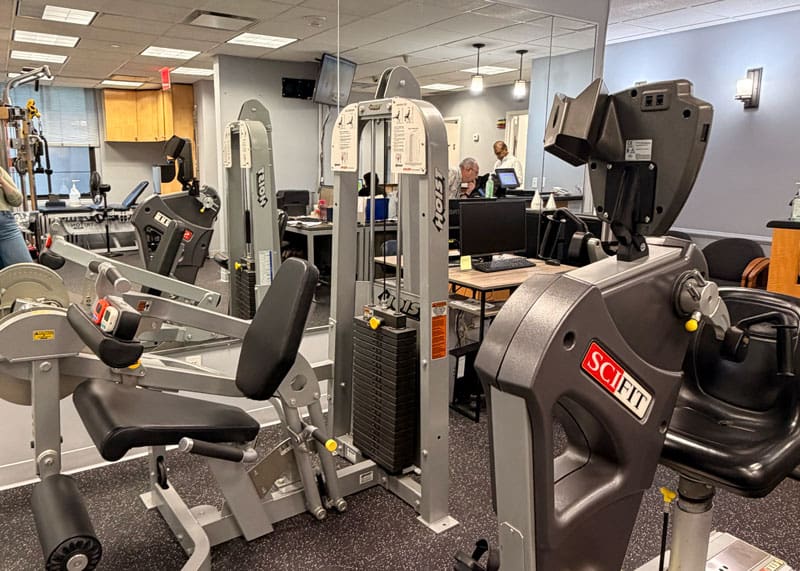
At Back and Body Medical in Midtown Manhattan, conservative care is rarely “one thing.” We integrate disciplines—chiropractic, physical therapy, medical evaluation, and additional services—so we can match the approach to what your body actually needs.
- What conservative care does well: calms irritated tissues, reduces protective spasm, improves joint and soft-tissue mobility, and rebuilds strength and control.
- Where conservative care can fall short: if the diagnosis is incomplete, if the plan is generic, if key contributing factors aren’t addressed, or if the patient can’t maintain progress outside the office.
This is the foundation for understanding why do patients feel better with conservative care, but then the pain returns? Temporary improvement is common when we reduce the “noise” (tightness, sensitivity, inflammation) but haven’t fully corrected the “signal” (the root mechanism).
In pain now? → Book an appointment at Back and Body Medical
The #1 Reason Pain Returns: An Incomplete Diagnosis
Many patients we meet have already tried something that helped—massage, stretching, a few adjustments, rest, heat/ice—yet the pain returns days or weeks later. Often, the missing piece is diagnostic certainty.
If someone comes in with back pain and receives treatment without a deeper workup, the care may successfully relax muscles and provide quick relief. But if the true problem involves a disc issue, nerve irritation, joint dysfunction, tendon injury, or a movement-control problem, the relief may not last.
Common scenarios we see
- Muscle-driven pain improves quickly, but pain returns because the trigger (poor mechanics, weak stabilizers, repetitive strain) never changed.
- Nerve-related pain feels better after treatment, but returns because the nerve is still being irritated or compressed.
- Joint or disc irritation calms down temporarily, but re-flares with sitting, lifting, or sports because the joint/disc load isn’t managed properly.
- Referred pain patterns (hip to back, neck to shoulder, etc.) are treated at the site of pain rather than the source.
This is a central answer to why do patients feel better with conservative care, but then the pain returns? Symptom relief is not the same thing as source control.
How We Build a Better Diagnostic Picture at Back and Body Medical
In our Midtown Manhattan practice, we focus on making sure you don’t waste time on therapies that won’t work. That starts with an in-depth evaluation process designed to narrow in on the true pain generator and the factors keeping it active.
Step 1: A detailed history (we listen first)
We start by mapping your story and patterns. That means discussing:
- How the pain started (sudden injury vs. gradual onset)
- What makes it worse and what makes it better
- When it shows up (morning, after sitting, after workouts)
- Where you feel it and whether it travels (leg, arm, shoulder blade, hip)
- Prior care tried and what helped (and what didn’t)
Often, this alone points us toward a likely diagnosis. When it doesn’t, we confirm.
Step 2: Physical and orthopedic testing
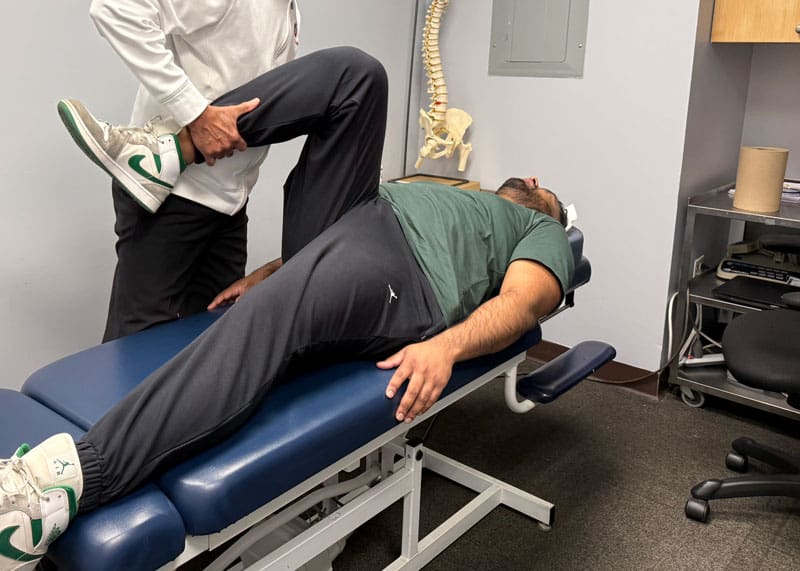
A thorough exam helps us test hypotheses. We look at motion, strength, neurological signs, tissue sensitivity, and movement patterns. This is where we start differentiating between “tight muscle pain” and deeper mechanical or neurological issues.
Step 3: Confirmatory diagnostics when needed
When appropriate, we use in-office diagnostics to add clarity, such as:
- X-rays (when necessary) to evaluate structure and rule out certain red flags
- Diagnostic ultrasound to look at certain muscle and soft-tissue injuries
- NCV/EMG when we need to assess nerve function and possible pinched nerve involvement
When symptoms and findings suggest deeper tissue involvement, we may also recommend additional imaging (such as MRI) through appropriate channels. The point is not “more tests.” The point is the right test at the right time—so we understand what we’re treating.
Getting this right is one of the biggest ways we prevent the cycle behind why do patients feel better with conservative care, but then the pain returns?
Another Big Reason Pain Returns: The Plan Wasn’t Followed Outside the Office
Even the best in-office treatment is only part of the solution. Most musculoskeletal problems improve fastest—and stay improved—when you reinforce the work between visits.
We tell patients this upfront because it’s one of the most misunderstood reasons behind why do patients feel better with conservative care, but then the pain returns? If symptoms are reduced in the clinic but the body returns to the same movement habits, workstation setup, training errors, or recovery gaps, the tissues get re-irritated.
What “follow-through” usually includes
- Targeted stretching or mobility work
- Strengthening and stabilization exercises
- Icing/heat strategies when appropriate
- Activity modification (temporary—not forever)
- Ergonomic or lifestyle adjustments (desk setup, sleep positioning, lifting strategy)
We keep home plans realistic. The goal is adherence, not perfection. A consistent 10 minutes done correctly can beat an ambitious plan that never gets done.
Why “Feeling Better” Doesn’t Always Mean “Fully Healed”
One of the trickiest parts of recovery is that pain often improves before capacity does. In other words, you might feel better, but your tissues and movement system may not yet be ready for your normal workload.
That gap is a major contributor to why do patients feel better with conservative care, but then the pain returns?
Examples we see all the time
- Your low back pain drops from an 8/10 to a 2/10, so you return to heavy lifting too quickly.
- Your neck pain feels looser after treatment, but you return to long laptop sessions without posture breaks.
- Your shoulder feels “fine” after a few sessions, but the rotator cuff and scapular muscles haven’t regained endurance.
In our care plans, we aim to progress you from symptom relief to:
- Better movement quality
- Better tolerance (sitting, walking, training, working)
- Better resilience (less flare-ups with life stressors)
When Conservative Care Needs to Evolve: Layering Care or Referring Appropriately
Sometimes the answer to why do patients feel better with conservative care, but then the pain returns? is that conservative care was appropriate—but incomplete because the condition needed additional medical management or a different pathway.
This is why our team model matters. At Back and Body Medical, we bring multiple providers together under one roof in Midtown Manhattan, including chiropractors, physical therapists, medical massage therapists, licensed acupuncturists, and a medical doctor (including Dr. Shan Sivendra MD as part of the practice team). That allows us to monitor progress closely and pivot quickly.
What “pivoting” can look like
- Refining the diagnosis and updating the plan if progress plateaus
- Adding progressive modalities when appropriate (for example, cold laser therapy, flexion distraction, Graston, Active Release Technique)
- Changing intensity or technique for people who can’t tolerate traditional adjustments (we can use gentler approaches)
- Considering interventional pain management when indicated (for example, discussion of injections/epidural pathways with appropriate specialists)
- Ordering or coordinating advanced imaging (like MRI) when the clinical picture warrants it
- Advising on surgical consults when conservative options have been appropriately tried and the findings support it
We don’t “play favorites” with therapies. We care about outcomes—relief that lasts and function you can trust.
Why Some “Quick Fix” Care Feels Great—But Doesn’t Stick
It’s not that symptom-focused care is useless. It’s that it often doesn’t address the full picture. If a visit only includes a quick muscle treatment without a diagnosis-driven plan, it can be like turning off a smoke alarm without finding the fire.
Patients typically feel better because:
- Muscle tone temporarily normalizes
- Nervous system sensitivity decreases
- Movement feels easier
- Inflammation calms
But symptoms come back because:
- The actual driver wasn’t identified
- The wrong structure was treated
- Progressions weren’t added (mobility → strength → endurance → return to sport/work)
- Home and lifestyle contributors stayed the same
That’s the practical, real-world explanation of why do patients feel better with conservative care, but then the pain returns?
What We Mean by “Conservative Treatments at Back and Body Medical”
When we talk about conservative treatments at Back and Body Medical, we mean a coordinated plan that matches your diagnosis, your tolerance, and your goals—whether that’s getting through a workday without pain, returning to the gym, or staying competitive as an athlete or weekend warrior.
Depending on the case, a plan may include:
- Physical therapy guided by functional goals
- Chiropractic adjustments or gentler joint mobilization options
- Medical massage and soft-tissue techniques
- Therapeutic ultrasound and electrical stimulation (when appropriate)
- Decompression-based strategies for certain presentations
- Advanced options available in-practice, such as cold laser therapy, flexion distraction, Graston, and Active Release Technique
- When clinically appropriate, manipulation under anesthesia (for select cases under medical direction)
Because you can access multiple disciplines without leaving Midtown Manhattan, it’s often easier to stay consistent—one of the biggest predictors of lasting outcomes.
A Simple Framework We Use to Prevent Recurrence
If you’ve been stuck in the cycle of “better, then worse,” we typically tighten the process around three pillars: diagnosis, adherence, and progression.
- Diagnose precisely: history + exam + appropriate testing.
- Treat strategically: choose therapies that match the diagnosis, not just the symptom location.
- Progress intelligently: move from pain relief to capacity-building (strength/endurance/control) and then to maintenance.
This framework directly addresses why do patients feel better with conservative care, but then the pain returns? because it replaces one-off relief with a mapped plan.
Key Takeaways
- When people ask why do patients feel better with conservative care, but then the pain returns?, the most common causes are incomplete diagnosis, insufficient plan progression, or inconsistent follow-through outside the office.
- Short-term symptom relief is valuable—but it must be paired with identifying the true pain generator and correcting the factors that keep re-irritating it.
- In-office diagnostics (like X-ray, diagnostic ultrasound, and NCV/EMG when indicated) can prevent wasted time on therapies that don’t match the underlying issue.
- Lasting results usually require a realistic home plan and lifestyle adjustments, not just in-office visits.
- Integrated team-based care can help you pivot quickly if conservative care alone isn’t enough—whether that means advanced testing, pain management coordination, or a surgical consult when truly necessary.
Where to Go From Here
If you’re still stuck wondering why do patients feel better with conservative care, but then the pain returns?, we can help you break that pattern by identifying what’s actually driving your symptoms and building a plan you can follow and sustain. At Back and Body Medical in Midtown Manhattan (E 58th Street between Park Avenue and Lexington, near the 59th–Lexington subway), our integrated team uses thorough evaluation and evidence-based treatment to help local patients get more than temporary relief. Schedule an appointment today—and let’s map out the next steps toward lasting comfort, stronger function, and fewer flare-ups.
Further Reading
- How do You Adjust Treatments if Something Isn’t Working?
- Why Do Patients Feel Better with Conservative Care, but then the Pain Returns? (Coming soon)
- How Long do Treatments at Back and Body Medical Take? (Coming soon)
- Why Isn’t One Treatment Often Enough? (Coming soon)
Frequently Asked Questions
Is it normal to feel better after treatment, then have pain come back?
Yes. Pain can drop quickly when muscles relax and inflammation calms, but if the root cause isn’t addressed—or if activities reload the area too soon—symptoms can return.
How do you know if the diagnosis is incomplete?
Clues include repeated flare-ups, symptoms that keep changing locations, nerve-type symptoms (numbness/tingling), or improvement that stalls after an initial boost. A thorough history, exam, and appropriate testing can clarify the picture.
Do I always need imaging like an MRI?
No. Many cases can be evaluated with a strong clinical exam and, when appropriate, simpler in-office tools like X-ray or diagnostic ultrasound. MRI is typically reserved for patterns, lack of progress, or when results would change the plan.
What if I’ve tried physical therapy or chiropractic before and it didn’t last?
That’s common. A clearer diagnosis, better plan progression, and coordination across providers often changes the outcome and helps results last.
When should conservative care be escalated to injections or a surgical consult?
If symptoms don’t improve as expected, neurological deficits appear, or testing suggests a condition unlikely to respond to conservative care alone, escalation may be appropriate. We monitor progress and guide referrals when needed.
Ready to get out of pain? Most new patients are seen within 24 hours — walk in or book online.

Jo Khaira DC is a recreational therapist and chiropractor at Back and Body Medical in Midtown Manhattan. She holds a Doctor of Chiropractic degree with Summa Cum Laude honours from Northwestern Health Sciences University and a Master’s degree in Child Psychology from the University of Manitoba.
Jo Khaira specialises in family care, sports injuries, pregnancy-related conditions, and functional medicine. She holds additional certifications as a Graston Practitioner, CranioSacral Therapy (CST) provider, and Webster Technique practitioner through the International Chiropractic Pediatric Association.
Her approach is rooted in identifying the root causes of pain and dysfunction, with a commitment to evidence-based, patient-centred care. Dr Khaira is bilingual in English and Punjabi.
Originally spoken aloud by Dr Jo Khaira DC. Edited with AI assistance and reviewed before publication.