X-Rays at Back and Body Medical Midtown Manhattan
X-Rays are a fast, reliable first-line imaging tool that help us evaluate bone and joint structures.
X-Rays NYC
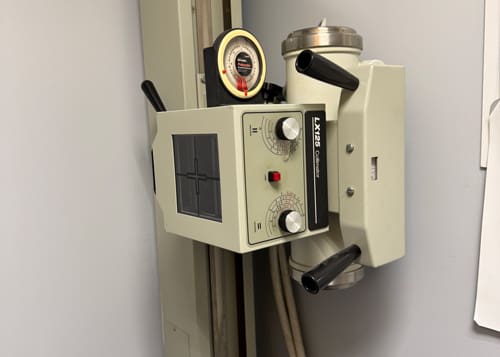
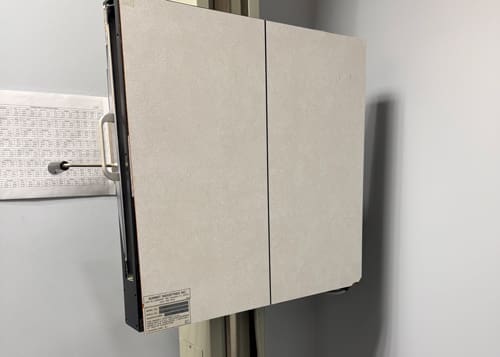
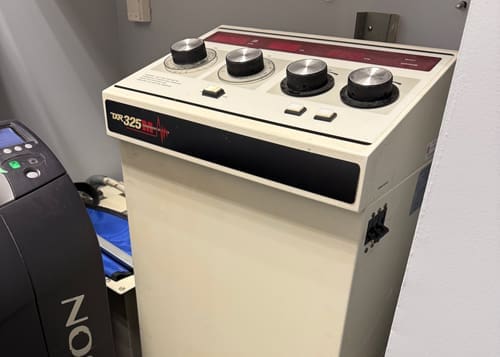
X-Rays at our Back and Body Medical practice here in Midtown Manhattan are a fast, reliable first-line imaging tool that help us evaluate bone and joint structures – especially when we need to rule out fractures, confirm arthritis or alignment changes, or identify structural issues that can affect recovery.
At Back and Body Medical, we only recommend X-rays when there’s a clear clinical reason, and we use the findings to guide a safer, more precise treatment plan.
Why we use X-Rays Midtown Manhattan as a “first look”
When you’re in pain, the priority is getting the right diagnosis—not guessing. In our Midtown Manhattan practice, we use X-Rays as a practical first step in certain cases because they provide immediate information about bone and joint structures.
It’s important to know what an X-ray does and doesn’t do:
- What X-rays show well: bones, joint spacing, alignment, arthritis-related changes, some structural differences you may have been born with.
- What X-rays do not show well: muscles, ligaments, tendons, discs, and many other soft-tissue injuries (those often require other tools).
That’s why we think of X-rays as “useful but limited.” They’re not the highest level of diagnostic detail—but they’re often an efficient first line of defense when the clinical picture calls for it.
What an X-ray can reveal that a physical exam can’t
A hands-on exam and your history tell us a lot. But even the best physical exam has limits. For example, we can suspect arthritis based on your symptoms and movement testing—yet we can’t see arthritic bone changes without imaging.
With X-Rays, we may be able to confirm or rule out issues such as:
- Arthritis and degenerative changes that may influence which therapies are safest and most effective
- Spinal curvature changes, including scoliosis patterns
- Congenital or anatomical differences that can affect mechanics and recovery timelines
- Alignment or joint changes that may be contributing to recurring pain
- Suspected fractures after a fall, sports incident, or accident
These details help us estimate how long recovery may take and what might be “impeding your ability to get better,” so we can avoid wasted time on approaches that aren’t a match for your case.
When we decide you need X-Rays (and when we don’t)
We don’t take X-rays on everybody, and we don’t do them “just because it’s your first visit.” At Back and Body Medical, every diagnostic decision is based on clinical reasoning—meaning there must be a clear medical justification.
We’re most likely to consider X-Rays when we need to answer a specific question, such as:
- Is this pain more likely coming from a bone/joint issue versus a soft-tissue issue?
- Do we need to rule out a condition before we start manual therapy or exercise-based rehab?
- Is there a history of trauma (fall, collision, sports injury) where a fracture must be excluded?
- Do symptoms or exam findings suggest that arthritis or structural changes are a major driver?
Examples of cases where X-rays may be clinically appropriate
Local Midtown Manhattan patients often come to us for neck pain, lower back pain, shoulder pain, hip pain, and leg pain. Depending on your presentation, X-rays can be helpful for certain areas such as:
- Spine: alignment, curvature, degenerative changes, arthritis patterns
- Wrist, knee, shoulder: suspected bony injury, joint changes, or when we need quick clarity on the bony anatomy
X-Rays at Back and Body Medical: how in-house imaging can speed up decisions
One reason local customers seek X-Rays with our team is convenience with clinical purpose. When appropriate, in-house imaging can reduce delays and help us make faster, safer choices.
With X-Rays at Back and Body Medical, we can often:
- Rule out a fracture quickly if we suspect a broken bone
- Decide promptly whether your condition is appropriate for conservative care in our office
- Adjust the treatment plan immediately based on objective findings (for example, modifying manual therapy techniques)
That said, there are times we refer out. If we can’t capture the needed views for a specific area (such as certain shoulder, wrist, or knee images), or if we want an additional read from a radiologist, we’ll coordinate an external imaging referral.
How X-ray findings guide your personalized treatment plan
Imaging isn’t the goal—better outcomes are. Once we understand what the X-ray shows, we integrate it into a complete plan that fits your body, your symptoms, and your goals.
At our Midtown Manhattan location, your care can involve a coordinated team that may include chiropractors, physical therapists, medical massage therapists, licensed acupuncturists, and medical doctors (including Dr Shan Sivendra, MD). We use that collaboration to match the right tools to the right diagnosis.
Depending on your needs, your plan may combine “essentials” and advanced options, such as:
- Physical therapy and corrective exercise
- Chiropractic adjustments (or gentler approaches if you can’t tolerate adjustments)
- Medical massage
- Ultrasound or electrical stimulation for muscular issues
- Spinal decompression
- Flexion distraction
- Cold laser therapy
- Graston and Active Release Technique (ART)
- Manipulation under anesthesia (when clinically appropriate)
When we use X-Rays strategically, the payoff is often a more efficient plan—because we’re less likely to spend weeks treating the wrong driver of your pain.
X-ray vs. other diagnostics we may use in Midtown Manhattan
Because X-rays primarily show bone, we often pair them with other diagnostic approaches when soft tissue or nerve involvement is suspected.
In our practice, we may use or coordinate:
- Diagnostic ultrasound to look for muscle injuries and other soft-tissue concerns
- NCV/EMG to help diagnose pinched nerves and nerve-related conditions
- Orthopedic and neurological testing as part of a detailed physical exam
Choosing the right test is about matching the tool to the clinical question. X-Rays are often step one when bone or joint structure is the key variable, while ultrasound or NCV/EMG may be more relevant when the issue appears muscular, ligamentous, or nerve-related.
Our clinical decision process (step-by-step)
For local customers who want to know what to expect, here’s how we typically decide whether imaging is needed:
- We listen first: your symptoms, history, goals, and any prior imaging or diagnoses.
- We examine thoroughly: movement, strength, reflexes, range of motion, and provocation tests.
- We identify red flags and rule-out needs: trauma concerns, unusual pain patterns, or findings that require more clarity.
- We choose the best diagnostic tool: sometimes that’s X-Rays Midtown Manhattan; other times ultrasound, NCV/EMG, or a referral.
- We build a plan: a conservative, evidence-based approach designed to restore function and reduce pain efficiently.
Safety notes: what patients should know about X-rays
X-rays use a small amount of ionizing radiation. Clinically appropriate imaging is widely used in medicine, but we still follow a simple principle: only order it when the results will change what we do.
If you’re pregnant or think you may be pregnant, tell us before any imaging so we can choose the safest path forward.
When an X-ray changes everything: rare but critical findings
Most X-rays confirm common issues—arthritis patterns, alignment factors, or ruling out fractures. But occasionally, X-rays reveal something far more serious.
As we’ve seen in real clinical practice, X-rays can sometimes detect signs concerning for cancer. While this is not common, it’s a powerful reminder of why appropriate imaging matters: early detection can dramatically change the next steps and get a patient to the right care without delay.
Convenience for Midtown Manhattan patients
Convenience isn’t just about being in the neighborhood—it’s about not having to bounce between multiple offices to piece together your diagnosis and care plan. At Back and Body Medical, patients can access a broad set of services under one roof in Midtown Manhattan, close to the 59th-Lexington subway station, on E 58th Street between Park Avenue and Lexington.
That integrated model is especially helpful for busy New Yorkers, athletes, and “weekend warriors” who want a clear diagnosis and a coordinated plan focused on restoring function, speeding recovery, and enhancing future performance.
Contact Us
Treating Common Injuries
We have experience addressing a wide range of injuries and conditions, such as:
- Sports Injuries
- Runner’s knee, sprains, tendinitis, and more
- Back Pain
- Herniated discs, scoliosis, and whiplash
- Shoulder Injuries
- Frozen shoulder, rotator cuff tears, and dislocations
- Hip and Elbow Injuries
- Labral tears, tennis elbow, and hyperextensions
- Wrist and Hand Injuries
- Carpal tunnel, fractures, and soft tissue damage
Specialized Therapies
To ensure a complete recovery, we utilize advanced techniques and therapies, including:
- Active Release Techniques (ART)
- Custom Stretching and Rehab Programs
- Graston Technique
- Spinal Decompression Therapy
- Ultrasound and Cold Laser Therapy
- Vestibular Rehabilitation for balance disorders
- Strength and Conditioning programs
- Trigger Point Injections
X-Ray FAQs
X-Rays NYC Questions
Do I need an X-ray on my first visit?
Not necessarily. We base X-Ray decisions on clinical reasoning—your history, exam findings, and what we need to rule out or confirm.
What conditions can an X-ray confirm?
X-rays can help confirm arthritis-related changes, spinal curvature patterns (including scoliosis), certain anatomical differences, joint alignment concerns, and fractures.
What if my pain is muscular or from a ligament?
X-rays are limited for soft tissue. If we suspect a muscle injury or soft-tissue involvement, we may use diagnostic ultrasound or other evaluations to get the right information.
Will you ever refer me out for imaging?
Yes. If we need specialized views (for certain shoulder, wrist, or knee concerns) or want a radiologist’s read, we’ll coordinate an outside imaging referral.
Can an X-ray find something serious?
In rare cases, yes. X-rays can sometimes reveal findings that require urgent medical follow-up, which is one reason clinically appropriate imaging can be so important.
Collaborative Care
One of the key aspects of choosing Back & Body Medical is our collaborative approach to treatments.
We are not simply a chiropractor’s practice, we offer many other therapies and treatments to patients.
These treatments include physical therapy, cold laser therapy, medical massage, a wide range of sports treatments and more.
If one therapy isn’t getting you the results you want, our collaborative approach is designed to look at your unique condition and treat you as an individual so you can be sure that the source your condition is treated to your needs.
United Health, Aetna and Other Insurances Accepted.
Many insurance plans are accepted here at Back & Body for chiropractic care, including United Health and Aetna Insurance.
Location
We are easy to find. We are located in Midtown Manhattan on 58th Street just off Lexington.
Our address is:
133 E 58th St #708, New York, NY 10022
Patient Testimonials of Back and Body Medical




Benefits of Physical Therapy
Pain Relief
Improved Mobility
Faster Recovery
Injury Prevention
Enhanced Quality of Life