
This article is one of a series covering back pain — causes, symptoms, and the treatments we use at Back and Body Medical in Midtown Manhattan. For the complete overview, see the full guide:
You may have heard about cold laser therapy, maybe from a friend or something you saw on tv, but it is a treatment that has actually been around for several decades and has thousands of papers published on it.
However, it hasn’t been until the last four or five years that it has started really making an impact on people’s lives, but still a lot of people aren’t aware of it or what it can do. So here’s some things our residents of Manhatten should know about cold laser therapy.
What is Cold Laser Therapy?
CLT (for short) uses the power of light on a number of problems and pain points on a patient. Selecting the appropriate protocol based on the patient’s condition, age, skin type and other variables is key to a good outcome. One these parameters have been set, a laser is applied to the afflicted area for a period of time and several treatments are often needed to have a significant impact.
It is a simple device that the technician or doctor will gently move over the painful area and a laser beam will penetrate the skin and help increase blood flow, regenerate tissue and help to relieve pain. It’s almost Star Trek technology.
Does it Hurt?
You may feel a slight sensation as the lasers penetrate your skin, but there is no burning like you may think with it being a laser and it is very safe.
What Does it Treat?
CLT covers a multitude of pain points and more are being discovered and implemented each year. Currently there is research going on to see how it can help cardio patients. For now, the most common things it treats are:
- Carpal Tunnel Syndrome
- Osteoarthritis
- Plantar Fasciitis
- Bursitis
- Tendonitis
- Epicondylitis
- Low Back or Neck Pain
- Sprains or Strains
- Disc Problems
- Dislocations
- Ligament Injuries
- Muscle Injuries or Disorders
How Many Treatments Does it Take to Work?
It depends on the amount of pain and condition a patient is in, but in general, anywhere between 8 and 16 treatments is required for good outcomes. You also may not feel much of a difference in your first few visits, but after the fourth at least, you should be feeling improvements.
What are the Success Rates?
Success rates for CLT are in the upper 80% region and are improving each year as the technology, protocols and understanding of it improve. Coupled with other forms of therapy that we offer here including chiropractic, Active Release Techniques, electric stim, massage, and more, your road to recovery will be even more assured.
Perhaps the most beneficial thing about cold laser therapy is that it has no contraindication. It is totally drug free, which with the current opioid crisis can only be a good thing, and does not require surgery or anything like that.
It is quick, effective, painless and will reduce inflammation, joint pain, arthritis and many other afflictions. So if you are in pain, why not try this effective and simple treatment?
Remember, if you are struggling and cannot get relief, make an appointment to see us here in Manhatten. Simply make an appointment online and let us help you or call us (212) 371-2000.
Ready to get out of pain? Most new patients are seen within 24 hours — walk in or book online.
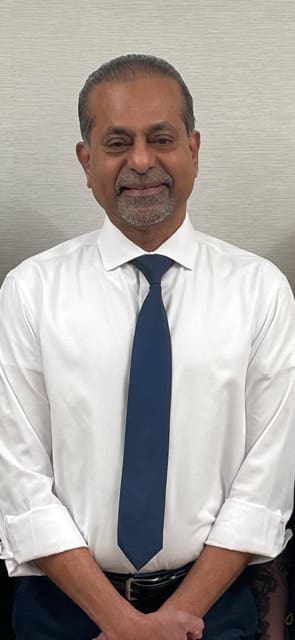
Dr Shan Sivendra MD is the founder and medical director of Back and Body Medical in Midtown Manhattan. A board-certified medical doctor, certified acupuncturist, and Director of House Physicians at St. Barnabas Medical Center, Dr Sivendra has been practicing in New York since 1995.
He completed his residency in Internal Medicine at Saint Barnabas Medical Center (affiliated with Mount Sinai School of Medicine) and received the Resident Research Award for three consecutive years.
Dr Sivendra has a background spanning internal medicine, pain management, and conservative spine rehabilitation, and was licensed in both the US and the UK.
At Back and Body Medical, he leads a multidisciplinary team of chiropractors, physical therapists, and acupuncturists dedicated to helping patients recover from pain without surgery or unnecessary medication.
Further Reading: Back Pain