
This article is one of a series covering back pain — causes, symptoms, and the treatments we use at Back and Body Medical in Midtown Manhattan. For the complete overview, see the full guide:
People everywhere struggle with low back pain. For some, it’s a fact of life, whether intermittent or continual. It’s a problem shared by more than 3/4s of us, globally.
But low back pain isn’t something you should suffer in silence with. If you believe there’s nothing that can be done to stop the pain, that’s where you’re wrong. It’s what I do for a living, here at Back & Body Medical. I support people with pain issues.
Every day, research uncovers new truths about the nature of pain and the most effective ways to treat it. Let’s look at what a study conducted in 2011 tells us about low back pain and who will respond best to care.
What’s a directional preference?
The study sought to better understand the phenomenon of directional preference (DP) in patients experiencing pain.
DP refers to patient preference for movement in one direction over another. Because moving an affected limb or the spine itself in one direction exacerbated pain, therapy built on DP was found to support patient pain relief.
The study also explored which patients were most likely to respond positively to a multi-disciplinarian approach versus more aggressive practices.
In pain now? → Book an appointment at Back and Body Medical
Study findings
Using the principle of working in the direction most comfortable for the patient, centralization was addressed (CEN, or localized pain). Exercises which were painful for the patient were avoided with this methodology.
The study implicated 584 patients. Of these, 60% had a directional preference and the same percentage experienced CEN.
DP patients were the most likely to respond positively to care which combined manipulation with a doctor-directed exercise plan. Patients with no DP were less likely to respond positively to a similar plan of treatment.
Why it matters to me
The study has provided me with valuable information, as a chiropractor. Knowing that a patient has one or both of a directional preference and pain centralization allows me to evaluate my methods in confrontation of probable patient response.
That’s valuable information to guide treatment plans and make decisions early on about how I’m going to treat a patient. It saves the patient pain and expedites treatment and recovery.
And anything I can do to expedite the healing process and bring relief to my patients makes me a happy chiropractor!
Back & Body Medical
At Back & Body, we take low back pain seriously. In fact, we treat all kinds of musculoskeletal pain. My chiropractic care is supported by practitioners of acupuncture, sports medicine and physical therapy, creating a multi-disciplinarian team able to personalize care to the individual patient.
Combining therapies from a variety of disciplines is an exceptionally effective model that addresses the uniqueness of every human body. We know it works. Our outcomes here speak to that.
Our award-winning, diversified pain relief model has helped hundreds of patients find relief from grinding low back pain. They come to us with a problem that’s impacting their ability to live their lives well and leave looking forward to a better quality of life.
Got pain? We’ve got answers!
Ready to get out of pain? Most new patients are seen within 24 hours — walk in or book online.
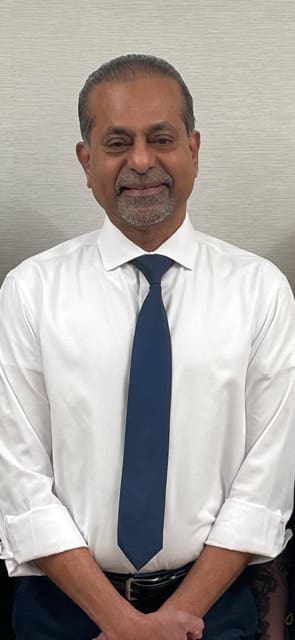
Dr Shan Sivendra MD is the founder and medical director of Back and Body Medical in Midtown Manhattan. A board-certified medical doctor, certified acupuncturist, and Director of House Physicians at St. Barnabas Medical Center, Dr Sivendra has been practicing in New York since 1995.
He completed his residency in Internal Medicine at Saint Barnabas Medical Center (affiliated with Mount Sinai School of Medicine) and received the Resident Research Award for three consecutive years.
Dr Sivendra has a background spanning internal medicine, pain management, and conservative spine rehabilitation, and was licensed in both the US and the UK.
At Back and Body Medical, he leads a multidisciplinary team of chiropractors, physical therapists, and acupuncturists dedicated to helping patients recover from pain without surgery or unnecessary medication.
Further Reading: Back Pain