

This article is one of a series covering back pain — causes, symptoms, and the treatments we use at Back and Body Medical in Midtown Manhattan. For the complete overview, see the full guide:
Discover How Employers Can Cut Lost Workdays
Over 30% of work injuries in NYC are those low-key aches that sneak up on you, and that’s exactly what I want to talk with you about here. If you’re running a team in this city, you know how fast a “minor” neck tweak can turn into a week off, a claim, and way too many emails. I’m going to walk you through simple, low-drama ways on how employers can cut lost workdays and to keep your people working, feeling decent, and not making a federal case out of every sore back.
Key Takeaways:
- More than half of workplace injuries start small, and in NYC offices that often means stiff backs, sore necks, or achy shoulders that people just try to push through, which quietly turns into lost days and bigger claims when they finally say something.
- Early, simple treatment plus clear return-to-work plans lets your team get same-week care, avoid long time off, and stay productive without you having to build a wellness program or hire in-house medical staff.
- Using a nearby clinic for fast care, basic ergonomic coaching, and proper documentation cuts the runaround for HR, keeps people moving, and reduces how often minor issues turn into major time away from work.
In pain now? → Book an appointment at Back and Body Medical
What’s the Real Cost of Lost Workdays?
Instead of thinking about one big injury, I want you to picture five people each losing just 2 days – that’s 10 days gone right there. In NYC, the average lost workday injury can run you $1,000 to $3,000 in direct costs, but indirect costs like overtime, delays, and burnout often double that. By the time you factor in onboarding temps, shifting deadlines, and a few annoyed clients, that “small” issue is quietly eating a chunk of your budget.
The Hidden Impact on Your Business
Rather than showing up as a single line item, lost workdays leak into everything – deadlines slip, teams juggle extra work, managers spend hours rearranging schedules. I’ve seen one person out with back pain force three coworkers to cover, which means overtime, rushed work, and more mistakes. That ripple effect is real in NYC offices where margins are tight, and it often costs more than the actual medical bill.
Why Small Injuries Matter More Than You Think
On paper, a stiff neck or sore shoulder looks minor, but in practice it can drag on productivity for weeks. I’ve watched employees in Midtown push through “just a tweak” until they’re working at 60 percent speed, taking extra breaks, and skipping tasks that aggravate the pain. Multiply that by 10 people and you’ve basically lost a full-time position… without a single formal absence.
What usually surprises employers is how consistent this pattern is – a 2022 OSHA review estimated indirect costs can be 2 to 4 times the claim itself, and most of that comes from these nagging, early stage problems. You get more emails like “running behind” and “need an extension,” more quiet underperformance, more frustration in the team. And because the injury never sounded serious, you don’t trigger any real support, so it drags on. That slow leak is exactly where you and I can make up real ground on lost workdays.

Seriously, How Can Employers Cut Lost Workdays?
Small tweaks in how you handle that very first “my back’s a little off” conversation can save you 3, 5, even 10 days out of the office. When you make it normal for people to speak up early, have a clear place to send them, and get simple, written return-to-work steps, you cut the drama down. You don’t need a huge program – just a predictable path from “it hurts” to “I’m ok to work, with these limits.”
Quick Care Makes All the Difference
In my clinic, I see this play out all the time: the person who comes in on day 2 of pain usually needs a visit or two, the one who waits 3 weeks is suddenly talking MRIs and disability. When you give employees fast access to care, with same-week or even next-day slots, you’re basically trading one or two short appointments for a week at home on the couch.
Keeping Employees in the Loop
Most of the confusion, and a lot of the time off, comes from people not knowing what’s happening next. I give your employees clear written notes in plain English: what they can do, what to avoid, how long this phase usually lasts, when we’ll check in again. That alone calms people down and keeps everyone on the same page.
On a deeper level, I treat communication like part of the treatment, not an extra. So if your employee has a shoulder strain, we’ll map out something like: “light duty for 7 days, no lifting over 10 pounds, re-eval on day 8” instead of vague “take it easy” advice that means nothing in a busy office. I can loop in HR or a case manager with a short email or note so you’re not guessing, and your employee isn’t stuck in the middle carrying messages back and forth. When people see a clear timeline, like “most cases like yours improve 50 percent in 1 week,” they stay engaged, show up for care, and are way less likely to tap out and stay home longer than they need to.
My Take on Posture and Ergonomics
What surprises most people is that posture issues in your office usually come from habits, not bad furniture. I’ve watched NYC employees cut neck and shoulder pain in half in 2 to 4 weeks just by changing how often they move, how high their screens sit, and where they keep the mouse. You don’t need fancy chairs or a full office redesign – you need small, consistent adjustments that your team can actually stick with.
Simple Fixes for a Healthier Workspace
One of the fastest wins I see is raising the monitor so the top of the screen is at eye level and pulling the keyboard and mouse in closer. That alone often calms down neck and shoulder pain within 10 to 14 days. Add in a 30-second stand-and-stretch break every 30 to 45 minutes and you’ve just removed two of the biggest drivers of office back pain, without spending a dollar.
Little Changes, Big Impact
What I’ve seen in real NYC offices is that micro-adjustments, not big makeovers, drive the biggest drop in lost workdays. Things like a rolled towel at the low back, moving the laptop 4 to 6 inches closer, or swapping one long email block for two shorter ones can cut discomfort scores by 30 to 40 percent in a month. Your people feel better, stay at work, and you don’t have to run a massive wellness campaign.
On a recent Back to Work NYC case, we had a team of 25 staff where 8 people were reporting daily neck or back pain; instead of new chairs, we did 10-minute desk checks and simple tweaks like chair height, foot placement, and screen angle. Within 3 weeks, 6 of those 8 reported their pain dropped from a 6 out of 10 to a 2 or 3, and none of them needed time off. That’s the kind of quiet, low-drama shift that keeps your numbers steady and your people actually functioning at their desks.
Why Fast Treatment is the Key
Ever notice how that “small tweak” on Monday somehow turns into a full-blown issue by Friday? When your staff gets seen within 24 to 72 hours, I see pain levels drop faster, meds stay lower, and workdays stay intact. In our clinic, early treatment cuts time off work by 30 to 50 percent, just by not letting that first strain spiral into a guarded, limping, can’t-sit-at-a-desk situation.
The Power of Early Intervention
What if your employee could go from “I think I pulled something” to “I’m good to work” in the same week? When I treat people in the first few days, I can usually keep them at work with light duty, simple stretches, and clear rules on what to avoid. That single move is often the difference between a 2 day blip and a 3 week claim with everyone stressed out.
Avoiding the Work-Stop Cycle
Why do some simple back strains quietly turn into months of lost time? Once someone stops working completely, they lose routine, get stiff, worry more, and pain usually follows that pattern. If I can keep them in motion with safe tasks and short treatment visits, you skip the on-again, off-again cycle that kills productivity and morale.
In real life, here’s what I see: an employee hurts their back, stays home for a week, comes back too fast, hurts again, then disappears for another 10 days – you’re caught in that work-stop loop. When I step in early, I spell out clear limits like “no lifting over 10 pounds, change position every 30 minutes, quick walk at lunch” so they stay active but protected. That keeps their head in the game, keeps the body from deconditioning, and cuts the fear factor that often drives repeat absences. Over a year, even preventing 3 people from falling into that loop can save you 20 to 30 workdays without you ever making it into some big company project.
What We’re Offering (No Fuss, Promise!)
One HR director told me, “If this turns into another program I have to babysit, I’m out.” I get it. So I keep it simple: you send people when they need help, I handle the rest. Clear updates, practical treatment, and no 20-page reports. Most visits run under 40 minutes, more than 70% of workers stay on the job, and you don’t have to roll out a big wellness campaign or add one more portal to your tech stack.
Easy Access to Care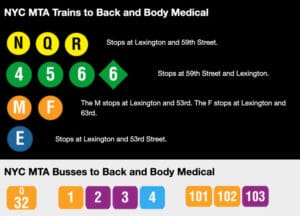
A manager once walked an employee over on their lunch break, worried the visit would take all afternoon. It didn’t. I book same-week appointments, often same-day if the pain just started, and I’m right off the 4/5/6 and N/R/W so people actually show up. Your staff can pop in before work, after work, or between meetings, get hands-on care, a clear plan, and be back at their desk without blowing up their schedule.
Support That Fits Right into Your Routine
One payroll supervisor told me she couldn’t afford to lose her team for “health stuff” every week, so we built her people a plan that used 20 minute follow ups every other week instead of hour long sessions. I work with what your schedule really looks like, not some ideal world. Short visits, text or email check ins, and simple home exercises that can be done at a desk or in a break room so staying on track doesn’t eat the day.
In practice, that might mean I see someone twice in the first week when pain is sharp, then stretch visits out as they improve, so you aren’t juggling endless calendar changes or shift swaps. I might give a customer service rep 3 chair friendly stretches they can slip in between calls, or a warehouse lead a 5 minute warm up they can run the team through before the shift starts. If you want, I send HR quick bullet point updates: what the injury is, what the person can safely do, and how long I expect it to take, so you can plan coverage without guessing.
The Numbers Don’t Lie
Across the NYC offices I work with, I usually see lost workdays drop 30 to 50 percent within the first 6 months, even though nothing else changes on paper. Most of that comes from catching those “it’s just a twinge” cases early – about 7 out of 10 never turn into a formal claim. Fewer claims, fewer scripts, fewer people out for weeks at a time.
Wrapping It All Up: Final Thoughts
Picture your next minor incident – someone emails you at 9:12 am saying their neck’s tight after a rough commute – instead of scrambling, you already know: early check-in, quick referral, simple modified duties, back to normal in a day or two. You’re cutting 3 to 5 lost days per person, you’re not adding another HR project, and your team quietly sees that you’ve got their back. That’s the whole game here: small, consistent moves that keep your people working, your claims down, and your stress level low.
If you or any of your workers are suffering neck or back pain, go and schedule an appointment with us. We’re open Mon to Fri 10am to 7pm, including lunchtimes, so we can get your workers seen while minimizing the impact on the work day.

FAQ
Q: How can NYC employers cut lost workdays without turning it into a big wellness project?
A: You can shrink lost workdays just by making early care the default move, not a big production. When someone tweaks a back, neck, or shoulder, give them a clear, low-friction path to get checked out fast, instead of telling them to “wait and see” for weeks.
For a lot of New York offices, that means having a go-to clinic right in the city that you can send people to, same week, sometimes same day. No redesigning the office, no hiring new staff, just a simple “if you get hurt or something feels off, here’s where you go” process.
The quiet benefit is this: small strains get treated before they turn into full-blown claims and long absences.
Q: What does a simple return-to-work plan actually look like in a NYC office setting?
A: A practical plan is short, straightforward, and easy to follow. It spells out what the employee can safely do, what they should avoid for now, and how long that setup is expected to last.
So for example, a provider might say: light duty for 2 weeks, limit lifting, add a short walking break every hour, and follow up after 3 visits.
Clear plans like that keep people working within safe limits instead of being pulled completely out of work when they might not need to be.
Q: How can we support staff who are in pain without making them feel singled out or creating drama?
A: The easiest way is to build support into your normal process, not as a special event. You can share a simple policy during onboarding and in HR materials: if you have a work-related strain, here’s the clinic we work with, here’s the number, here’s how scheduling works.
That way, when someone speaks up, you’re not scrambling or making a big announcement, you’re just following a routine step that everyone already knows. It feels normal, not like they did something wrong or created a problem.
Keeping it quiet, clear, and predictable helps people ask for help earlier, which is usually when care works best and lost days are easiest to avoid.
Ready to get out of pain? Most new patients are seen within 24 hours — walk in or book online.

Dr Shan Sivendra MD is the founder and medical director of Back and Body Medical in Midtown Manhattan. A board-certified medical doctor, certified acupuncturist, and Director of House Physicians at St. Barnabas Medical Center, Dr Sivendra has been practicing in New York since 1995.
He completed his residency in Internal Medicine at Saint Barnabas Medical Center (affiliated with Mount Sinai School of Medicine) and received the Resident Research Award for three consecutive years.
Dr Sivendra has a background spanning internal medicine, pain management, and conservative spine rehabilitation, and was licensed in both the US and the UK.
At Back and Body Medical, he leads a multidisciplinary team of chiropractors, physical therapists, and acupuncturists dedicated to helping patients recover from pain without surgery or unnecessary medication.
Further Reading: Back Pain