
This article is one of a series covering sports injuries — causes, symptoms, and the treatments we use at Back and Body Medical in Midtown Manhattan. For the complete overview, see the full guide: → Sports Injury Treatment in New York City — The Complete Guide
Golfer’s elbow is caused by repetitive motion. So, as the title says, it doesn’t just happen to golfers. Anyone who uses their arms and hands to perform the same actions repeatedly, over an extended period, is a candidate.
Known clinically as “medial epicondylitis”, it’s caused by inflammation of the forearm’s tendons where they connect to the inside of the elbow. In most cases, the dominant arm will be affected. The pain may come on gradually and often radiates down the arm but may be severe.
And while golfer’s elbow can afflict golfers, football players, racquet sports enthusiasts, bowlers, weight lifters and other sports people, 90% of cases of golfer’s elbow are not provoked by participation in sports. Common activities rendering cases of golfer’s elbow are construction, plumbing and carpentry.
Not Tennis Elbow
Tennis elbow is a similar ailment but it’s not the same thing. The clue is in the clinical name – “lateral epicondylitis”. While this type of injury is also caused by repetitive motion and inflammation, tennis elbow attacks the outside of the elbow, whereas golfer’s elbow attacks the inside. Medial vs. lateral – still the elbow but a different section of it.
And here’s how to tell the difference – if flexing your wrist downward provokes pain, it’s golfer’s elbow. If flexing your wrist upward does the same, it’s tennis elbow.
Treating It
If you’ve got a painful case of tennis elbow, you’re probably hoping it will “just go away”. While that may happen, you should know that the pain will return as the condition gets worse. Getting to a medical professional for an evaluation is the first order of business.
Golfer’s elbow is less common than tennis elbow and perhaps slightly more complex to treat. But temporarily stopping activities which have led to your injury is important.
The good news is that most cases of golfer’s elbow respond to non-surgical treatments. And at the front of the pack in terms of success and outcomes is physical therapy. With the goal of painless, full function, the wrist is regularly treated with exercise and other therapies falling under the category of physical therapy, including ultrasound and electrical stimulation.
Other therapeutic tools commonly applied are night bracing and taping.
As I said above, most cases of golfer’s elbow readily respond to the right treatment. Only 2.8% of cases require surgical intervention.
And there’s even better news than that – most patients go back to exactly what they were doing before golfer’s elbow, following rehabilitation.
Back & Body Medical
OK. You may only watch other people golf on TV. That doesn’t mean you can’t develop golfer’s elbow. Anyone who performs repeated motions implicating the elbow is at risk and not just athletes – people who work with their hands to build things and fix things.
At Back & Body, we’re pain relief specialists with all the right therapies to put your golfer’s elbow in its place. Working as a team which includes clinicians in the disciplines of physical therapy, chiropractic, acupuncture and sports medicine, we tailor care to individual patients. Contact us.
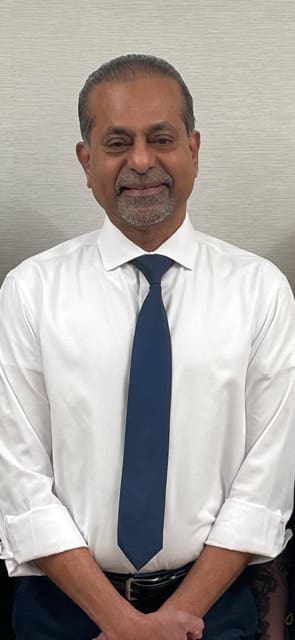
Dr Shan Sivendra MD is the founder and medical director of Back and Body Medical in Midtown Manhattan. A board-certified medical doctor, certified acupuncturist, and Director of House Physicians at St. Barnabas Medical Center, Dr Sivendra has been practicing in New York since 1995.
He completed his residency in Internal Medicine at Saint Barnabas Medical Center (affiliated with Mount Sinai School of Medicine) and received the Resident Research Award for three consecutive years.
Dr Sivendra has a background spanning internal medicine, pain management, and conservative spine rehabilitation, and was licensed in both the US and the UK.
At Back and Body Medical, he leads a multidisciplinary team of chiropractors, physical therapists, and acupuncturists dedicated to helping patients recover from pain without surgery or unnecessary medication.