
This article is one of a series covering back pain — causes, symptoms, and the treatments we use at Back and Body Medical in Midtown Manhattan. For the complete overview, see the full guide:
No one works harder than nurses. These unsung heroes of the healthcare sector spend a lot of time on their feet, making them extremely prone to low back pain.
Nurses suffer from this condition at a rate of between 40% to 97.9%, according to study conducted at the University Cukurova, in Turkey by Dr. Gursel Oztunc. The frequency and severity of low back pain in nurses is occasioned by the stressful and physically demanding nature of the work involved, including the transfer of patients.
Low Back Pain In Nurses
Up to 85% of the world’s population will experience low back at some point in their lives and the condition is a leading reason for doctor visits and the second most common physical ailment, worldwide.
Nurses spend the most time with patients in comparison to other healthcare professionals and therefore have a much higher frequency and severity of low back pain than their fellows in the field and the general population.
This reality has a heavy cost for both nurses and the patients they serve. Quality of life and workplace effectiveness are drastically diminished. But the impact on society and the economy are just as severe, as nurses with low back pain are sometimes compelled to leave their jobs.
In pain now? → Book an appointment at Back and Body Medical
Causes
Nursing encompasses a wide range of duties and in the course of those duties, nurses are exposed to myriad risks.
Repetitive motions, postural deficiencies and the need to perform heavy lifting are just three. Fatigue is also a common factor for low back pain in nurses, increasing the risk of trauma to the lower back.
In some areas, the absence of adequate equipment to support nursing duties (carrying and transferring patients) is a contributing factor.
And nurses tend to work long hours, supporting multiple patients, with few breaks, while standing for prolonged periods.
All these factors, a lack of professional collaboration and supportive equipment were responsible for much of the phenomenon of low back pain in nurses.
Unsung. Unsupported
Most of us have experienced nursing, whether for vaccinations at school, or when hospitalized. We all know these hardworking professionals are under-appreciated.
This reality leads to job dissatisfaction but there are many factors which contribute to it. Long hours with few opportunities to relax is one. But the culture in which nurses work tends not to be supportive. The repetitive nature of the work, an extreme workload and the necessity to manage these challenges in silence all lead to anxiety and stress, which exacerbates low back pain in nurses.
Preventative actions like adequate exercise and proper breaks and providing supportive equipment are needed. Nurses have as much right as any other worker to fair treatment in their places of employment. The material recognition of this fact would do much to mitigate the frequency and severity of low back pain in nurses.
At Back & Body Medical, we know how hard nurses work. If you’re a nursing professional with low back pain, we encourage you schedule an appointment. Our team of clinicians is here to help.
Ready to get out of pain? Most new patients are seen within 24 hours — walk in or book online.
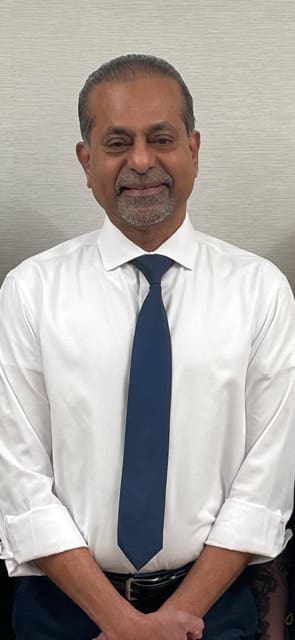
Dr Shan Sivendra MD is the founder and medical director of Back and Body Medical in Midtown Manhattan. A board-certified medical doctor, certified acupuncturist, and Director of House Physicians at St. Barnabas Medical Center, Dr Sivendra has been practicing in New York since 1995.
He completed his residency in Internal Medicine at Saint Barnabas Medical Center (affiliated with Mount Sinai School of Medicine) and received the Resident Research Award for three consecutive years.
Dr Sivendra has a background spanning internal medicine, pain management, and conservative spine rehabilitation, and was licensed in both the US and the UK.
At Back and Body Medical, he leads a multidisciplinary team of chiropractors, physical therapists, and acupuncturists dedicated to helping patients recover from pain without surgery or unnecessary medication.
Further Reading: Back Pain