
This article is one of a series covering sports injuries — causes, symptoms, and the treatments we use at Back and Body Medical in Midtown Manhattan. For the complete overview, see the full guide:
→ Sports Injury Treatment in New York City — The Complete Guide
One of the most commonly occurring knee injuries involves the ACL (anterior cruciate ligament). This is the ligament which crosses over the internal structure of your knee, diagonally. In concert with the PCL (posterior cruciate ligament), it governs the back and forth motion of the knee joint and provides stability.
More and more people are experiencing ACL injuries and some of them are high school athletes. Statistics show an increase in recent years, especially those gleaned from a study conducted at hospitals in the State of New York a spike of over 1,000 repairs from 1997 to 2006.
Primarily, the number of repairs has increased because surgeries addressing ACL injuries have become more sophisticated and less invasive. Smaller incisions and faster recovery times make the prospect of repairing the ACL much less daunting, today.
High school athletes are still growing into their bodies for the most part, so it’s important that they learn to prevent injuries like this. Let’s examine ACL injury prevention in the high school athlete, in the interest of keeping them in the game as they grow to adulthood.
A training gap.
Many coaches approach their high school team players as a renewable resource. While training in the finer points of the game and endurance on the field are paramount, little attention is given to teaching players how to move effectively, to prevent serious injury.
Aspects of the game like squatting, running, rapid stops and starts and falling properly, take a backseat to strategy and skills specific to the sport being played. A knowledge of body mechanics is rarely addressed and that can mean more frequent and more severe injuries.
One of the best things we can do for young people playing high school sports is to insist that coaching goes beyond strategy and skill sets and gain an adequate understanding of injury prevention. If parents knew how little attention this area was given, I’m sure they would be worried about the safety of their kids.
In pain now? → Book an appointment at Back and Body Medical
Reducing the incidence.
Nowadays, high school level sports are popularly viewed as a proving ground for later professional development. The difficult part about this is that parents and coaches tend to drive players to an almost merciless degree. In addition, children start earlier, when their bodies haven’t been adequately prepared for this level of heated competition.
And worse still, sports-involved kids don’t take breaks. They play a different sport for every season of the year. When combined, these factors create the perfect storm of physiological devastation for kids who haven’t been trained to use their bodies efficiently in high-demand sports.
It’s incumbent upon coaches to possess a strong command of body mechanics knowledge and to pass this on to their players, as 70% of ACL injuries aren’t caused by impact on the field, but poor body mechanics. Strength training can also play a critical role in ACL injury prevention in the high school athlete.
Back & Body Medical brings athletes of all kinds tailored care. Contact us to find out more about ACL injury prevention.
Ready to get out of pain? Most new patients are seen within 24 hours — walk in or book online.
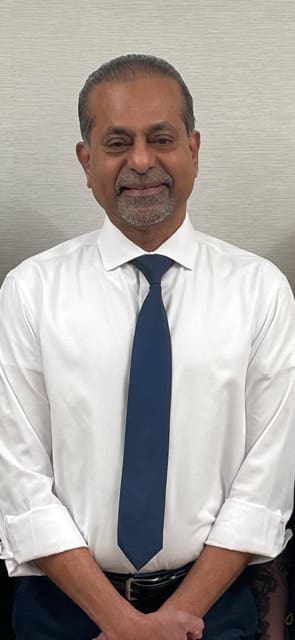
Dr Shan Sivendra MD is the founder and medical director of Back and Body Medical in Midtown Manhattan. A board-certified medical doctor, certified acupuncturist, and Director of House Physicians at St. Barnabas Medical Center, Dr Sivendra has been practicing in New York since 1995.
He completed his residency in Internal Medicine at Saint Barnabas Medical Center (affiliated with Mount Sinai School of Medicine) and received the Resident Research Award for three consecutive years.
Dr Sivendra has a background spanning internal medicine, pain management, and conservative spine rehabilitation, and was licensed in both the US and the UK.
At Back and Body Medical, he leads a multidisciplinary team of chiropractors, physical therapists, and acupuncturists dedicated to helping patients recover from pain without surgery or unnecessary medication.