
This article is one of a series covering hip pain — causes, symptoms, and the treatments we use at Back and Body Medical in Midtown Manhattan. For the complete overview, see the full guide:
In pain now? → Book an appointment at Back and Body Medical
Treatment For Gluteal Tendinopathy in New York
Today’s article will be discussing the number one cause of lateral hip pain, and that is gluteal tendinopathy. In fact, one third of our low back pain patients have gluteal tendinopathy currently. This condition is so common that it has been dubbed rotator cuff tears of the hip. This is because it shares a similar etiology that most tears of both the rotator cuff and the gluteus medius tendon occur on the under surface. Remember that the gluteus medius tendon comes off of the iliac crest and runs down onto the greater trochanter. Tears, just like in the shoulder start on the under surface which tells us that the etiology is not compressed tension, but is rather compression.
If you look at a piece of rubber tubing when it is straight, you’ll be able to see that it has similar pressure on both sides. If you bend this, let’s say over the top of the humerus or over the top of the greater trochanter, now there is a lot of tension on the top side. There is a lot of compression on the underside where it starts the buckle.
Almost all tears of these tendons start on the underside which tells us compression is the culprit. In lateral hip pain, it is not the burr so we can be emphasized that. We know it is not bursitis and even when bursitis is present in less than a fifth cases or changes to the greater trochanter versa that is not the problem; it’s chronic compression.
We have some great news for you. There are three tests with very high sensitivity and specificity to help identify this: the hip lag sign, the 30 second single stance, and the external D rotation test. Both of these have greater than 90 percent sensitivity and specificity.
The treatment, is not surprisingly trying to reduce compression in the area and reduce faulty mechanics so that the patient is no longer doing the things that aggravate it like weakness of the hip abductors running improperly and sitting and standing improperly.
To progressively rehab that, it has to be a strategic plan because initially we want to not do things that cause increased compression like letting the patient’s legs aduct together but ultimately, they’re going to need to be able to do those things so we want to use some clues, like nighttime pain.
If you have any questions on our treatment options in New York, please contact us, we would be happy to help you and see what we can do for you.
In pain? Want a tune up?
Schedule an appointment or download our mobile booking app. Enter clinic ID ORTKJR.
Ready to get out of pain? Most new patients are seen within 24 hours — walk in or book online.
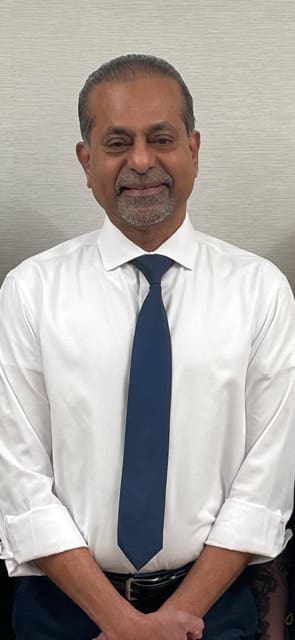
Dr Shan Sivendra MD is the founder and medical director of Back and Body Medical in Midtown Manhattan. A board-certified medical doctor, certified acupuncturist, and Director of House Physicians at St. Barnabas Medical Center, Dr Sivendra has been practicing in New York since 1995.
He completed his residency in Internal Medicine at Saint Barnabas Medical Center (affiliated with Mount Sinai School of Medicine) and received the Resident Research Award for three consecutive years.
Dr Sivendra has a background spanning internal medicine, pain management, and conservative spine rehabilitation, and was licensed in both the US and the UK.
At Back and Body Medical, he leads a multidisciplinary team of chiropractors, physical therapists, and acupuncturists dedicated to helping patients recover from pain without surgery or unnecessary medication.