
This article is one of a series covering back pain — causes, symptoms, and the treatments we use at Back and Body Medical in Midtown Manhattan. For the complete overview, see the full guide:
Many patients often find relief from medical equipment such as back braces, wrists splints, knee braces and more. All this type of equipment is designed to promote relief, a bit of rest for the body and to help improve healing and function. Within each niche of pain conditions, there are several types of equipment available. In this post, we’re going to look at three back pain relieving braces to see their application and how they help.
Elastic Lumbar Support Braces
Elastic lumbar support help provide support while still enabling the patient flexibility of movement. They are designed to help muscle tiredness, reduce pain and improve function. They also help reduce dependency on pain medication as well.
They are particularly good for stenosis patients and studies have shown as much as an 80% improvement on patient’s walking distance for example.
The brace should be worn over thin clothing and not worn at all at night. One downside is that they may increase blood pressure.
Rigid Lumbosacral Orthosis
The more traditional back brace is rigid in construction and means the patient doesn’t have as much flexibility of movement while it is being worn. This lack of movement helps a spinal injury to heal better along with adjacent soft tissues. It helps with muscle fatigue while decreasing pain.
These rigid braces are great for spondylolusis, post surgical low back pain, instability and degenerative spondylolisthesis,
The downside to this type of belt is that patients may not wear it so much due to it being more uncomfortable and so may not experience the full benefits it has to offer.
Sacroiliac Support Belt
This brace supports the sacroliac area by limiting movement around the SI joint.
It helps decrease pain while ultimately improving movement.
During the assessment process, patients may have a compressive force applied to them for the doctor to view their walking. This is done to see if the belt will be useful to the patient or not.
These belts are designed to help heal afflicted areas in which they are designed for and to provide support. On their own, they may not provide a full recovery and should be used alongside other treatments as per your doctor’s recommendations. They are a fantastic aid when used properly and under proper instruction.
If you are in pain, suffer from back pain, neck pain, headaches or whatever, come in and see us, we can help. We also accept insurance and would be delighted to help you out of pain. Call us today or Schedule an appointment.
Ready to get out of pain? Most new patients are seen within 24 hours — walk in or book online.
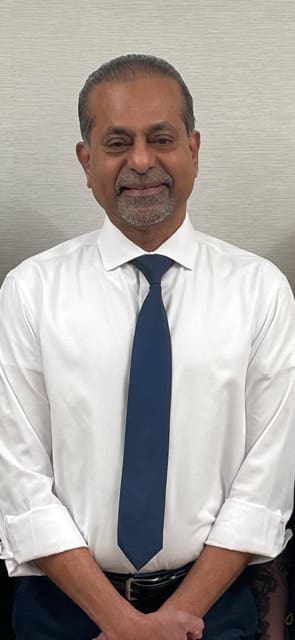
Dr Shan Sivendra MD is the founder and medical director of Back and Body Medical in Midtown Manhattan. A board-certified medical doctor, certified acupuncturist, and Director of House Physicians at St. Barnabas Medical Center, Dr Sivendra has been practicing in New York since 1995.
He completed his residency in Internal Medicine at Saint Barnabas Medical Center (affiliated with Mount Sinai School of Medicine) and received the Resident Research Award for three consecutive years.
Dr Sivendra has a background spanning internal medicine, pain management, and conservative spine rehabilitation, and was licensed in both the US and the UK.
At Back and Body Medical, he leads a multidisciplinary team of chiropractors, physical therapists, and acupuncturists dedicated to helping patients recover from pain without surgery or unnecessary medication.
Further Reading: Back Pain